Stay Ahead of Your Health: Why Annual Health Check-Ups are an Important Part of a Happier and Healthier Lifestyle

In our fast-paced lives, it’s easy to neglect routine health maintenance in favour of more immediate concerns. However, annual health checks are a crucial aspect of preventive healthcare, offering numerous benefits that can significantly impact your long-term well-being. Regular check-ups not only help in early detection of potential health issues but also provide an opportunity to update vaccinations, manage chronic diseases, and maintain a healthy lifestyle.
Our bodies are incredible machines, working tirelessly to keep us healthy and functioning. But just like any machine, they need regular maintenance to run smoothly. That’s where annual checkups come in. Think of it like taking your car for an oil change. You wouldn’t wait for your engine to sputter and cough before getting it checked, would you? Annual checkups allow your doctor to identify potential health concerns early on, when they’re often easier and more effective to treat.
Here’s why scheduling that annual appointment is a must:
- Early Detection is Key: Many diseases, like heart disease, diabetes, and certain cancers, can develop silently for years. Annual checkups allow your doctor to detect these conditions early, before they cause major problems. Early detection often leads to better treatment outcomes and a higher quality of life.
- A Personalised Approach: Annual checkups are more than just a quick weight check. Your doctor will review your medical history, family history, and lifestyle habits, tailoring the tests and screenings you receive to your individual needs.
- Proactive Health Management: Annual checkups are a great opportunity to discuss any health concerns you might have, from lingering aches and pains to changes in your sleep patterns. Your doctor can address these concerns, provide reassurance, and offer advice for maintaining good health.
- Preventive Care: Annual check-ups are an opportunity to receive preventive services like vaccinations, screenings, and counselling on healthy lifestyle choices. This proactive approach helps prevent diseases and reduces the risk of complications.
- Management of Chronic Conditions: For individuals with chronic diseases like hypertension or diabetes, regular monitoring is vital. Annual health checks ensure these conditions are managed properly, preventing them from worsening and reducing the risk of serious complications.
- Building a Relationship: Regular checkups allow you to build a rapport with your doctor. Knowing and trusting your healthcare provider can make a big difference in managing your health needs over the long term.
- Peace of Mind: Knowing that you are taking proactive steps to monitor and maintain your health can provide peace of mind. Regular check-ups can alleviate anxiety about potential health issues and give you confidence in your health management.
What to Expect at Your Annual Checkup
The specific tests and screenings you receive will vary depending on your age, gender, and overall health. However, some common elements include:
- Physical Examination: A thorough physical exam is a fundamental part of any health check. It includes measuring vital signs such as blood pressure, heart rate, temperature, and respiratory rate. Your doctor will also examine various parts of your body to check including your ears, nose, throat, heart, lungs, and abdomen for any abnormalities.
- Blood Tests: Complete Blood Count (CBC): Measures different components of your blood, including red and white blood cells, haemoglobin, and platelets.
- Lipid Profile: Assesses cholesterol levels, including total cholesterol, LDL (bad cholesterol), HDL (good cholesterol), and triglycerides.
- Blood Glucose Test: Checks your blood sugar levels to screen for diabetes or prediabetes.
- Liver and Kidney Function Tests: Evaluate the functioning of these vital organs by measuring levels of enzymes, proteins, and waste products in the blood.
- Urinalysis: A urine test can detect various disorders, including kidney disease, urinary tract infections, and diabetes.
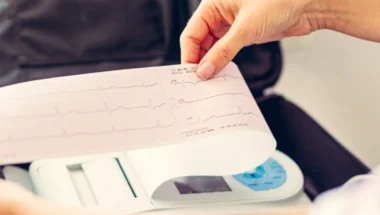
- Electrocardiogram (ECG): This test measures the electrical activity of your heart and can detect heart problems such as arrhythmias, heart attacks, and other heart conditions.
- Cancer Screenings
- Mammogram: Recommended for women, typically starting at age 40, to screen for breast cancer.
- Pap Smear and HPV Test: For women, these tests screen for cervical cancer.
- Colonoscopy: Recommended for adults over 50 to screen for colorectal cancer.
- Prostate-Specific Antigen (PSA) Test: For men, typically starting at age 50, to screen for prostate cancer.
- Bone Density Test: Especially important for postmenopausal women, this test screens for osteoporosis.
- Vision and Hearing Tests: Routine checks to ensure your senses are functioning properly and to detect any early signs of deterioration.
- Immunizations: Ensuring your vaccinations are up-to-date, including flu shots, tetanus boosters, and other age-appropriate vaccines.
Taking Charge of Your Health
Annual health checks are an essential part of maintaining your health and well-being. They provide an opportunity to detect diseases early, manage chronic conditions, and receive personalised health advice. By staying proactive with your health through regular check-ups, you can take control of your well-being and enjoy a healthier future.
So, don’t wait! Schedule your annual checkup today. Your body will thank you for it.